

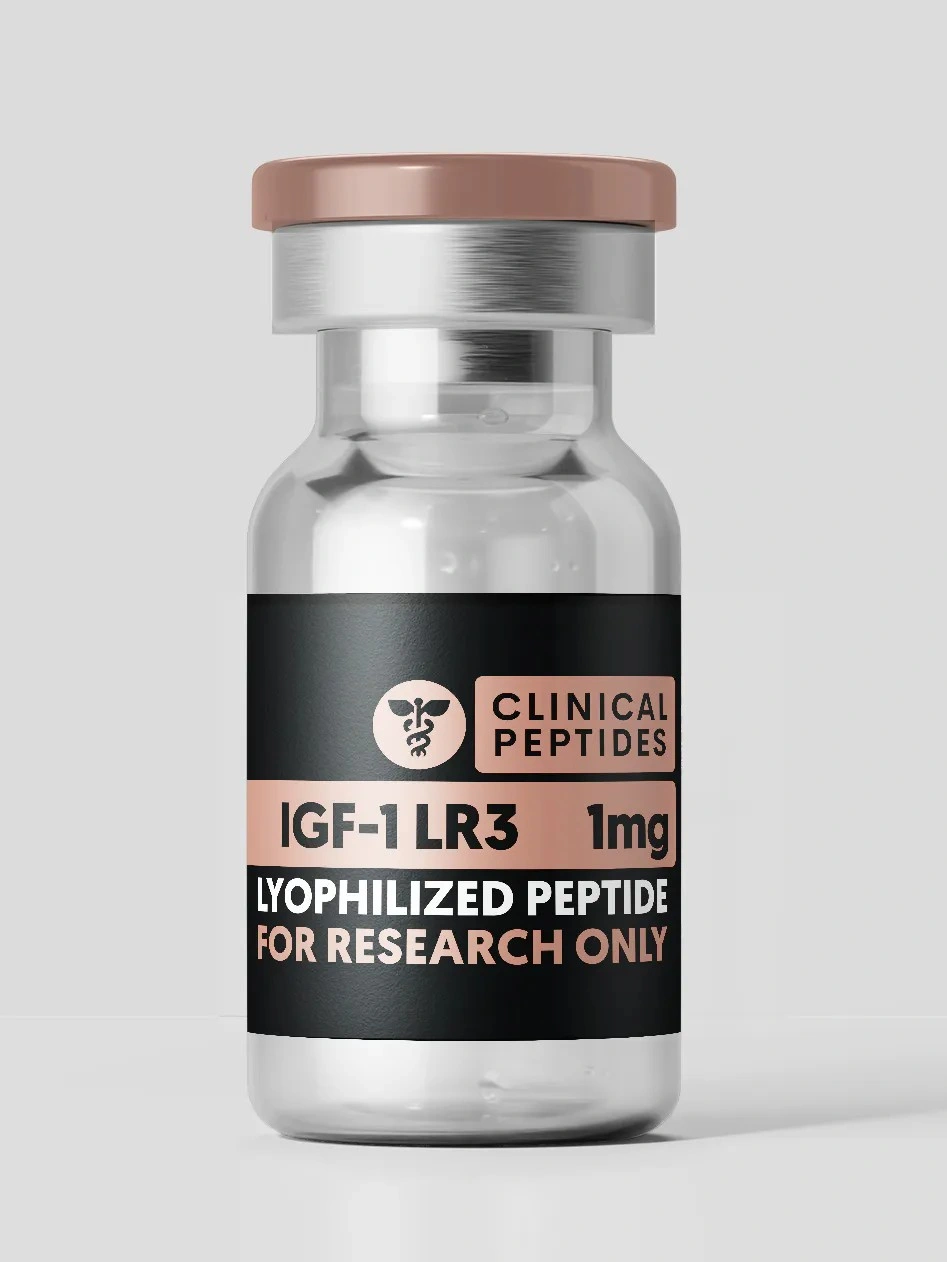
IGF-1 LR3
$139.00
In stock
You might also need:
Vanguard LaboratoryLab Result: IGF-1 LR3
View full report
Lab Result: IGF-1 LR3
(Batch: IGF-1 LR3)
Avg. Purity
99.58%
Avg. Mass
1.08mg
Result Date
September 2, 2026
What is IGF-1 LR3 known for?
IGF-1 LR3 (Insulin-Like Growth Factor-1 Long R3) is a long-acting peptide analogue studied for its role in muscle growth, cellular repair, recovery, nutrient partitioning, and performance enhancement.
As a modified version of IGF-1 with an extended half-life, IGF-1 LR3 is researched for its ability to support anabolic signaling, muscle hypertrophy, and tissue regeneration through activation of IGF-1 pathways involved in growth and recovery.
Muscle growth & anabolic support
IGF-1 LR3 is commonly studied for its ability to:
- Support lean muscle growth
- Enhance muscle cell proliferation
- Improve recovery from intense training
- Promote anabolic activity and protein synthesis
Proposed mechanisms include:
- Activation of IGF-1 receptors involved in muscle growth
- Increased nutrient uptake into muscle cells
- Enhanced amino acid utilization
- Support for muscle tissue regeneration and repair
Because of its extended activity compared to standard IGF-1, LR3 is commonly researched for sustained anabolic support.
Recovery & tissue repair
Research involving IGF-1 LR3 has explored its role in:
- Supporting muscle recovery after training
- Promoting cellular repair processes
- Enhancing tissue regeneration
- Reducing recovery time between workouts
Its regenerative signaling pathways are commonly associated with recovery optimization and tissue resilience under physical stress.
Performance & nutrient partitioning
IGF-1 LR3 is also studied for its effects on nutrient utilization and physical performance by supporting:
- Improved nutrient delivery to muscle tissue
- Enhanced glycogen replenishment
- Better recovery capacity during intense training cycles
- Support for strength and performance adaptation
Many researchers explore IGF-1 LR3 for its potential role in optimizing body composition and improving anabolic efficiency.
Cellular growth & regeneration
As a growth-factor related peptide, IGF-1 LR3 is studied for supporting:
- Cellular growth signaling
- Healthy tissue development
- Regenerative activity within muscle tissue
- Recovery from physical strain and stress
Its extended half-life allows for prolonged receptor interaction compared to naturally occurring IGF-1.
Mechanism of action
- Binds to IGF-1 receptors involved in anabolic and regenerative signaling
- Supports protein synthesis and muscle cell growth
- Enhances nutrient uptake into muscle tissue
- Promotes tissue repair and recovery pathways
- Provides extended activity through modified long-acting structure
Unlike stimulant-based performance compounds, IGF-1 LR3 works through growth-factor signaling pathways associated with muscle growth and cellular regeneration.
Summary
IGF-1 LR3 is a long-acting IGF-1 analogue studied for muscle growth, recovery, tissue repair, nutrient partitioning, and anabolic support.
In short:
- Supports lean muscle growth
- Enhances recovery and tissue repair
- Promotes anabolic signaling
- Improves nutrient utilization
- Supports performance and body composition goals
- Encourages regenerative cellular activity
Dosage
The common recommended dosing protocol for IGF-1 LR3 is 20–50mcg daily, depending on individual research goals and experience level.
Researchers commonly administer IGF-1 LR3 around training periods due to its association with anabolic and recovery pathways.
Disclaimer
This content is for educational and research purposes only and is not intended as medical advice. Always conduct your own research and consult a qualified professional before use.
Add a review
 IGF-1 LR3
Your review
* Review is required
Name
* Name is required
Email
* Email is required
You may also like…
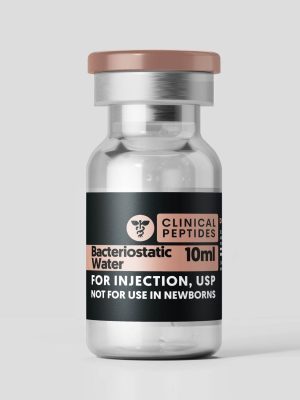
Bacteriostatic Water
$14.00Dosage: 10ml
Purity: 99%+
Related products
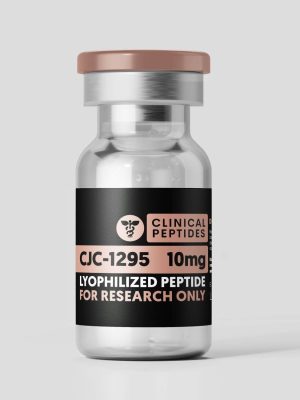
CJC-1295
$89.00Dosage: 10mg
Purity: 99%+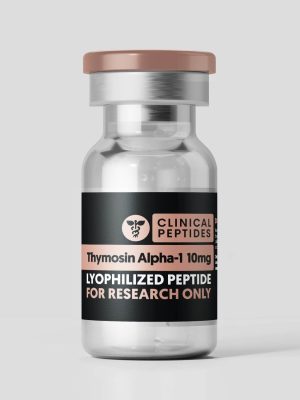
Thymosin Alpha-1
$89.00Dosage: 10mg
Purity: 99%+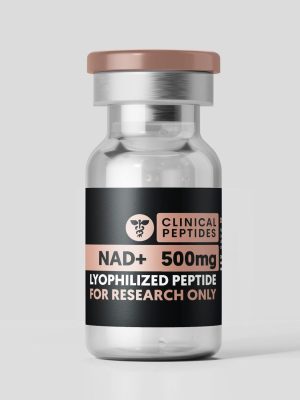
NAD+
$89.00Dosage: 500mg
Purity: 99%+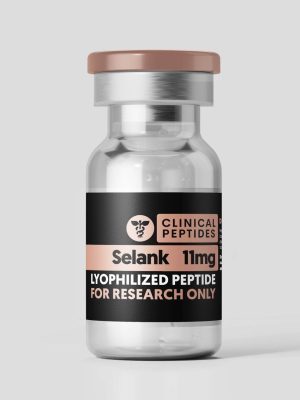
Selank
$49.00Dosage: 11mg
Purity: 99%+
Reviews
There are no reviews yet