

Peptides For Recovery
Shop our wide selection of the most popular peptides. All peptides are guaranteed to have a purity of 99%+ or your money back.
Showing all 8 results
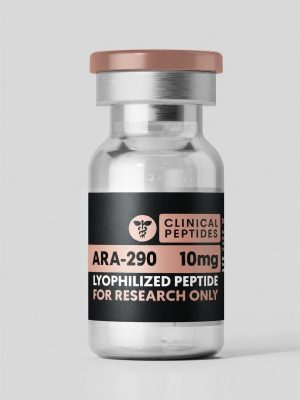
ARA-290
$79.00Dosage: 10mg
Purity: 99%+
BPC-157
$89.00Dosage: 10mg
Purity: 99%+ Dosage: 20mg Blend
Purity: 99%+
DSIP – 10mg
$69.00Dosage: 10mg
Purity: 99%+DSIP – 5mg
$39.00Dosage: 5mg
Purity: 99%+ Dosage: 70mg Blend
Purity: 99%+ Dosage: 80mg Blend
Purity: 99%+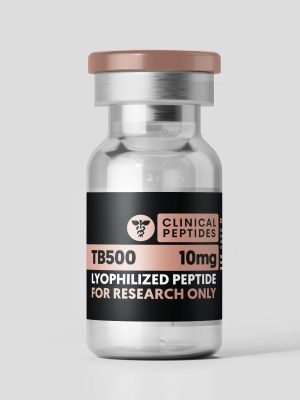
TB-500
$89.00Dosage: 10mg
Purity: 99%+
Recovery Peptides Canada: Research Peptides for Tissue Recovery
Recovery peptides are being studied for potential roles in cell signalling, tissue processes, inflammation pathways and recovery-related biological responses. Research investigates peptides within the framework of healing and regeneration, injury recovery, tissue recovery, and cellular processes related to repair.
What Are Recovery Peptides?
Recovery peptides have a connection with biological processes associated with cellular activity, tissue function, signalling, and recovery. Research into individual peptides focuses on various mechanisms. Every peptide has a different molecular structure and research profile, so the scientific evidence and areas of research vary for each compound.
Understanding Recovery and Healing Research
Recovery peptides include peptides for healing, tissue recovery, cellular repair, and regeneration-related pathways.
Recovery Research
Recovery research explores biological mechanisms involved in returning tissues and cells towards normal function following physical and cellular stress. Researchers can investigate signalling molecules, inflammatory responses, cellular communication, and pathways involved in tissue remodelling.
Tissue Recovery
Tissue recovery research includes examining different types of biological tissues, which includes extracellular matrix activity, cellular migration, vascular responses, tissue remodelling, and communication between different cell populations.
Cellular Repair Research
Cellular repair is the study of cellular responses to damage and environmental stress. Some peptides are investigated for their role in signalling pathways involved in cell survival, migration, proliferation, and other cellular activities.
Healing and Regeneration Research
Healing and regeneration research includes biological mechanisms of tissue repair and regeneration. Research includes studying growth-related signaling, inflammation pathways, extracellular matrix processes, and cell interactions.
Injury Recovery Research
Injury recovery research is the study of biological responses that occur following tissue injury. Instead of the end result, researchers can look at inflammatory signaling, cellular responses, tissue remodeling, and regeneration-associated pathways.
Cellular Signalling and Biological Pathways
Peptide research also focuses on interactions depending on the compound.
Featured Recovery Peptides
ARA-290
ARA-290, also known as cibinetide, is an 11-amino-acid peptide derived from the structure of erythropoietin (EPO). Research has examined its potential relevance to cellular responses associated with inflammation and tissue stress.
BPC-157
BPC-157 is a synthetic peptide derived from a protective protein found in human gastric juice. It is related to preclinical research in areas including cellular signalling, vascular responses, tissue remodelling, and interactions with pathways involved in biological responses to tissue stress.
BPC-157 + TB-500 Blend (Wolverine Stack)
BPC-157 + TB-500 Blend is also referred to as Wolverine Stack. It is a combination of two peptides that are being researched for the recovery of muscle, tendon, and ligament from injuries.
DSIP
DSIP, or Delta Sleep-Inducing Peptide, is a naturally occurring nonapeptide. It is a small chain of nine amino acids, originally separated from rabbit brain tissue. It is being researched for its connection with neurological signalling, stress responses, and sleep-associated mechanisms.
GLOW Blend
GLOW Blend is a combination of three peptides: GHK-Cu, BPC-157, and TB-500. Its research profile can be considered in the context of cellular signalling and tissue-related processes associated with the individual components of the formulation.
KLOW Blend
KLOW Blend is another blend of GHK-Cu, BPC-157, TB-500, and KPV peptides in a recovery-focused collection. Research consideration of the blend involves examining its constituent compounds and the biological pathways associated with their individual mechanisms and interactions.
TB-500
TB-500 is a synthetic heptapeptide associated with research into thymosin beta-4-related biological activity. It is being researched for cellular migration, cytoskeletal activity, tissue remodelling, and other processes relevant to cellular and tissue biology.
How to Choose Recovery Peptides
Selecting the peptide should start with understanding and researching it rather than trusting claims of expected outcomes.
- Research Objectives: Think about the biological pathway, cellular process, or research you want to investigate.
- Compound Type: You should know whether you want to research an individual peptide or a combined formulation.
- Available Product Information: Never miss checking product information. It includes peptide identity, formulation details, quantity, specifications, and other relevant information.
- Product Specifications: Pay attention to details such as peptide composition, quantity, formulation, and other stated specifications.
FAQs About Recovery Peptides
What are peptides for recovery?
Peptides for recovery are researched for cellular signalling, tissue processes, inflammation, and regeneration. Different recovery peptides can be studied for different biological pathways and research models.
What are recovery peptides?
Recovery peptides are short chains of amino acids that act as signalling molecules to support tissue repair, reduce inflammation, and accelerate healing after injury or intense exercise.
What are peptides for healing?
Peptides for healing are researched for their potential role in cellular signalling, tissue processes, and biological responses associated with healing. Research into the best peptides for healing depends on the specific compound, research objective, and biological pathway being studied.
Are peptides researched for injury recovery?
Yes, various peptides are being researched for injury recovery. This includes tissue responses, cellular signalling, and processes associated with peptides for injury recovery.
What are peptides for healing injuries?
This term generally refers to peptides researched in connection with cellular and tissue processes that occur following tissue injury or stress. Peptides for healing injuries remain an area of ongoing research involving different compounds and biological pathways.
Where can I find recovery peptides in Canada?
You can find recovery peptides in Canada at Clinical Peptides. They offer a wide range of recovery peptide collections for research purposes. They also offer individual compounds and combined formulations to study areas related to cellular and tissue processes.