

Peptides For Muscle Growth
Shop our wide selection of the most popular peptides. All peptides are guaranteed to have a purity of 99%+ or your money back.
Showing all 9 results
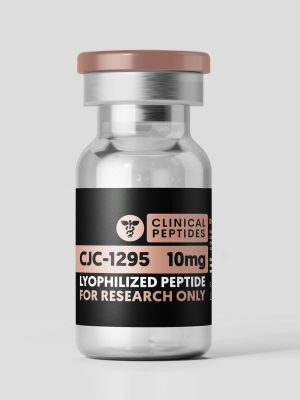
CJC-1295
$89.00Dosage: 10mg
Purity: 99%+ Dosage: 20mg Blend
Purity: 99%+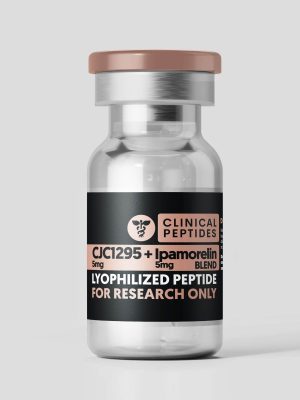 Dosage: 10mg Blend
Purity: 99%+
Enclomiphene Capsules
$139.00Dosage: 12.5mg
Purity: 99%+
GHRP-2
$69.00Dosage: 10mg
Purity: 99%+
Hexarelin
$54.00Dosage: 5mg
Purity: 99%+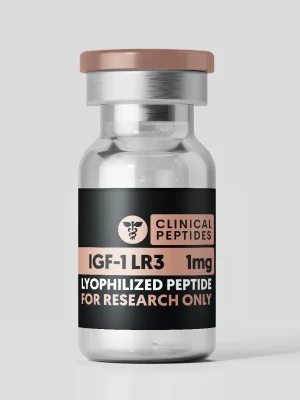
IGF-1 LR3
$139.00Dosage: 1mg
Purity: 99%+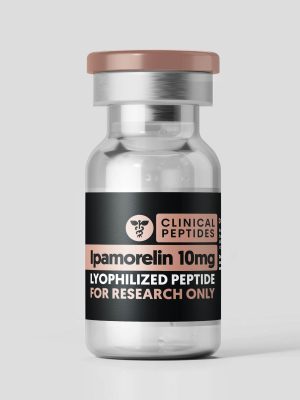
Ipamorelin
$89.00Dosage: 10mg
Purity: 99%+
Kisspeptin-10
$84.00Dosage: 10mg
Purity: 99%+
Peptides for Muscle Growth & Lean Muscle in Canada
Muscle growth research is increasing and focusing on signalling systems that interact with muscle tissue development, recovery, and adaptation. Peptides for muscle growth are studied in various pathways, including growth hormone signalling, IGF-related activity, protein synthesis, and anabolic communication. Researchers are examining the biological signals that influence how tissues respond, adapt, and recover.
This research includes growth hormone–related peptides, secretagogues, growth-factor compounds, and other molecules investigated for their roles in endocrine and cellular signalling. If you are exploring lean mass and body composition, understanding these mechanisms will give you a detailed perspective on muscle development.
Explore Peptides for Muscle Growth
Our peptides for muscle growth include products related to growth hormone signalling, endocrine pathways, growth factor research, and related muscle science. Explore individual compounds and blends, compare available formats, and review product-specific information and documentation prior to selecting materials for your research objectives.
What Are Peptides for Muscle Growth?
Peptides for muscle growth are short chains of amino acids studied for their interaction with biological signalling pathways. In muscle research, different compounds are investigated in relation to growth hormone release, IGF signalling, cellular growth, protein metabolism, endocrine communication, and recovery-related processes.
Muscle growth peptides include a wide range of research compounds. For users exploring best peptides for muscle growth, these compounds can provide opportunities to investigate the signalling mechanisms involved in muscle adaptation and recovery. Body composition studies consider relationships between lean mass, fat mass, metabolic activity, and hormonal signalling.
Understanding Muscle Growth Research
Muscle development is a connected biological process. Various interconnected pathways are relevant when researching how muscle tissue grows, adapts, and recovers.
Growth Hormone Signalling
Growth hormone signalling is a major research area associated with various peptides. Researchers investigate how different molecules interact with the growth hormone axis and how this signalling relates to downstream biological activity.
Protein Synthesis Pathways
Muscle tissue constantly undergoes protein breakdown and synthesis. This allows researchers to examine the cellular mechanisms that regulate protein production and contribute to tissue maintenance and adaptation.
Muscle Recovery Processes
Recovery is an important part of muscle research. Studies have examined cellular repair, tissue remodelling, inflammatory responses, and signalling mechanisms involved after physical or physiological stress.
Anabolic Signaling
Researchers study anabolic signalling through pathways involved in cellular growth and tissue-building processes. If you know how hormones, peptides and growth factors communicate to cells, you will gain important insight into muscle biology.
Body Composition Research
Muscle research doesn’t stop at muscle size. Body composition research allows researchers to find the relationship between lean tissue, fat tissue, metabolic processes, and endocrine signalling to create a broader picture of physiological change.
Featured Peptides for Muscle Growth
CJC-1295
CJC-1295 is a growth-release hormone studied for its interaction with growth hormone signalling and the broader endocrine axis.
CJC-1295 + Ipamorelin Blend
The combination of these two compounds is studied for growth hormone and its interaction with peptide signalling mechanisms.
GHRP-2
GHRP-2 is a growth hormone-releasing peptide researched primarily in connection with growth hormone secretion and endocrine signalling.
Hexarelin
Hexarelin is a clinical-grade lyophilized peptide studied for its relationship with growth hormone release and associated physiological signalling pathways.
IGF-1 LR3
IGF-1 LR3 is a modified IGF-1 research compound studied for growth-factor signalling, cellular activity, and pathways relevant to tissue development.
Ipamorelin
Ipamorelin is explored for its connection with growth hormone signalling. Its selective signalling profile makes it a notable compound in endocrine research.
Kisspeptin-10
Kisspeptin-10 is investigated in endocrine and reproductive signalling research, providing insight into peptide-mediated hormonal communication.
Enclomiphene Capsules
Enclomiphene is being studied for its effects on hormonal and endocrine signalling. It works through a different mechanism than growth hormone secretagogues and is relevant in a wide variety of hormone-related research areas.
How to Choose Peptides for Muscle Growth
What makes the best peptides for muscle growth for a particular project? It starts with the research—not the marketing.
- Start by defining research objectives. Are you studying growth hormone signalling, IGF-related pathways, endocrine communication, recovery mechanisms, or body composition? A clear objective will help you choose relevant compounds.
- Consider the type of compound. Every peptide, combination blend, and capsule has different research purposes. Understanding the compound’s research profile is essential before using it.
- Product information is also important. Check product details and any available supporting documentation rather than relying solely on generalized claims.
- Also think about the format of the product. Researchers should confirm that the selected format is compatible with their laboratory protocols and handling needs they plan to use.
- Finally, check storage requirements and available documentation. Proper storage is essential to maintain product integrity, and testing information, certificates, and other documentation can provide transparency when assessing research materials.
If you’re into peptides for bodybuilding, lean-mass research, or just digging into the biology of muscle adaptation, starting with research lets you weigh compounds against science and data.
FAQs for Peptides For Muscle Growth
1. What are muscle growth peptides?
Muscle growth peptides are short chains of amino acids that signal the body to support muscle repair, growth hormone release, and recovery. It helps to enhance lean muscle development.
2. Are peptides suitable for bodybuilding?
Yes, peptides help optimize your body’s hormones that support hypertrophy, strength, recovery, and fat metabolism when combined with proper training and nutrition.
3. How do you take peptides for muscle growth?
Peptides for muscle growth are typically taken through subcutaneous injection or oral supplementation, depending on the specific peptide. They are commonly used daily or in cycles alongside proper training, nutrition, and rest for best results.