

Every cut, scrape, surgical incision, and sports injury brings an extraordinary chain reaction inside your body. Within seconds, million of cells inside your body starts communicating, inflammation is regulated, damaged tissue is cleared away, and new skin starts forming. But the question is: What if this natural repair process could be done more efficiently?
Peptides for healing have garnered the attention of researchers, athletes, and healthcare professionals. Rather than acting like traditional pain-relief medications, some peptides support your body’s repair mechanisms. While peptides are being researched, they have become most-talked areas in regenerative science. Scientists are exploring how this chain of amino acids influences healing.
In this blog, we will check how peptides work, the science behind wound healing, the best peptides for healing, and what current research says about their potential role in recovery.
What Are Peptides?
Peptides are short chains of amino acids, the same building blocks that make up proteins. Unlike large proteins, peptides are smaller, which allows them to act as signalling molecules in the body.
You can think of them as biological messengers. They give instructions to cells and help them regulate various body functions, like:
- Tissue repair
- Cell growth
- Immune response
- Inflammation
- Collagen production
- Blood vessel formation
Many peptides occur naturally in the human body, while others are synthesized to replicate or enhance these biological signals. Peptides for healing are gaining traction for allowing damaged tissues to regenerate more effectively.
Understanding How Wounds Heal
Before we dive into how peptides help with faster healing, let’s find out how wound healing normally works:
Stage 1: Hemostasis
Immediately after an injury, blood vessels constrict, and clotting begins to stop bleeding.
Stage 2: Inflammation
White blood cells remove bacteria, debris, and damaged tissues and release growth factors that help the wound to heal.
Stage 3: Proliferation
This phase focuses on rebuilding. The body begins producing:
- New collagen
- Fresh blood vessels
- Healthy skin cells
- Connective tissue
Granulation tissue fills the wound, and new skin gradually starts forming.
Stage 4: Remodelling
Over the weeks, collagen fibres reorganize and strengthen, improving the stability of healed tissue.
Keep in mind: Any disruption during these stages, whether by age, diabetes, poor circulation, infection, or chronic inflammation, can slow healing significantly.
Can Peptides Support Faster Wound Healing?
This question is driving much of today’s peptide research. Rather than forcing wounds to heal, peptides work by supporting your body’s natural biological repair systems. Research suggests that many peptides help with:
- Promote cell migration
- Encourage collagen synthesis
- Support blood vessel development
- Reduce excessive inflammation
- Improve tissue regeneration
- Enhance communication between repair cells
But you should take a note that many laboratories and animal studies have shown encouraging results; research for humans is still developing for various peptides. So confirm with a healthcare professional before using any peptides for injuries.
How Peptides May Help the Healing Process
Supporting Collagen Production
Collagen acts as the structural framework of healthy skin. Without sufficient collagen production, wounds heal slowly, and scars may become weaker. Some peptides stimulate fibroblasts, which are cells that are responsible for producing collagen and rebuilding connective tissue. Healthy collagen helps with:
- Stronger skin
- Better wound closure
- Improved scar quality
- Tissue strength
Improving Blood Flow to Damaged Tissue
Healing tissues require oxygen and nutrients. Some peptides encourage angiogenesis, the formation of new blood vessels, which helps nourish injured areas when you are recovering. Better circulation support:
- Faster nutrient delivery
- Improved oxygen supply
- Enhanced cellular repair
Helping Regulate Inflammation
Inflammation is needed for healing. But persistent or excessive inflammation can slow the healing process. Some peptides do not fully block inflammatory responses but instead help regulate them. When the inflammation is balanced, it makes a healthier environment for tissue healing.
Encouraging Cellular Regeneration
Repair requires continuous replacement of damaged cells. Several peptides are still being studied for their ability to promote:
- Skin cell migration
- Muscle repair
- Tendon regeneration
- Connective tissue healing
This is one reason researchers are investigating peptides for injury recovery in different medical fields.
Best Peptides for Healing
Every peptide serves a different purpose. Some focus on metabolism, some focus on hormone regulation, and some are still in research. Here are some peptides for healing that are currently gaining interest:
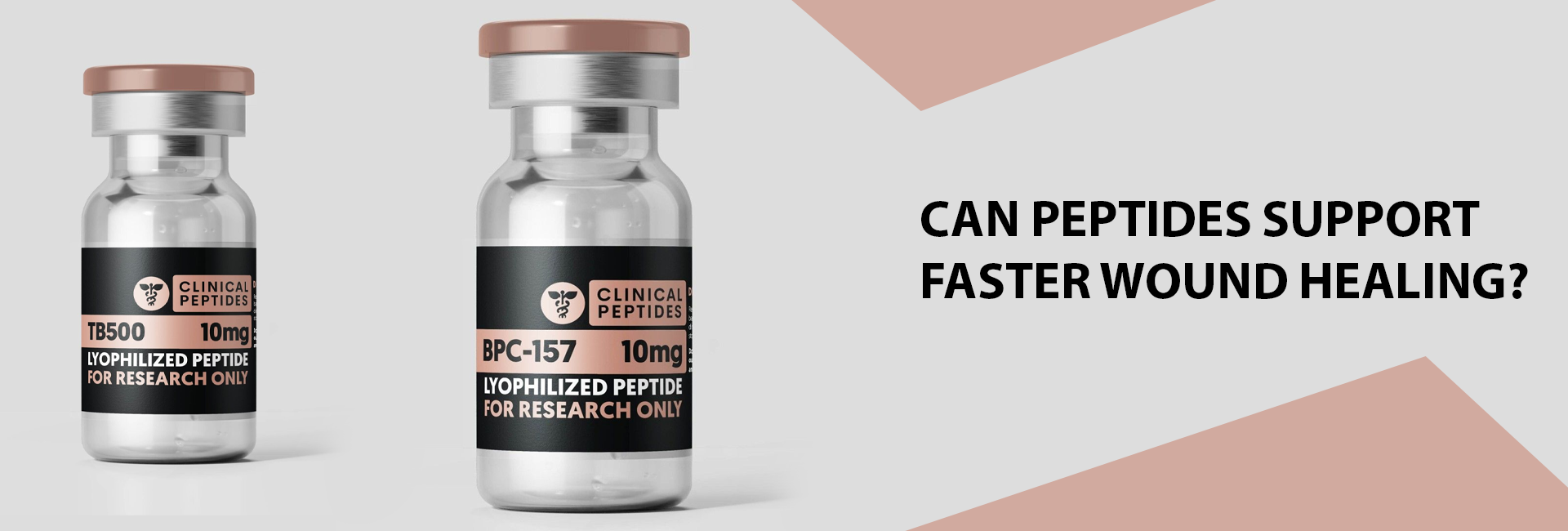
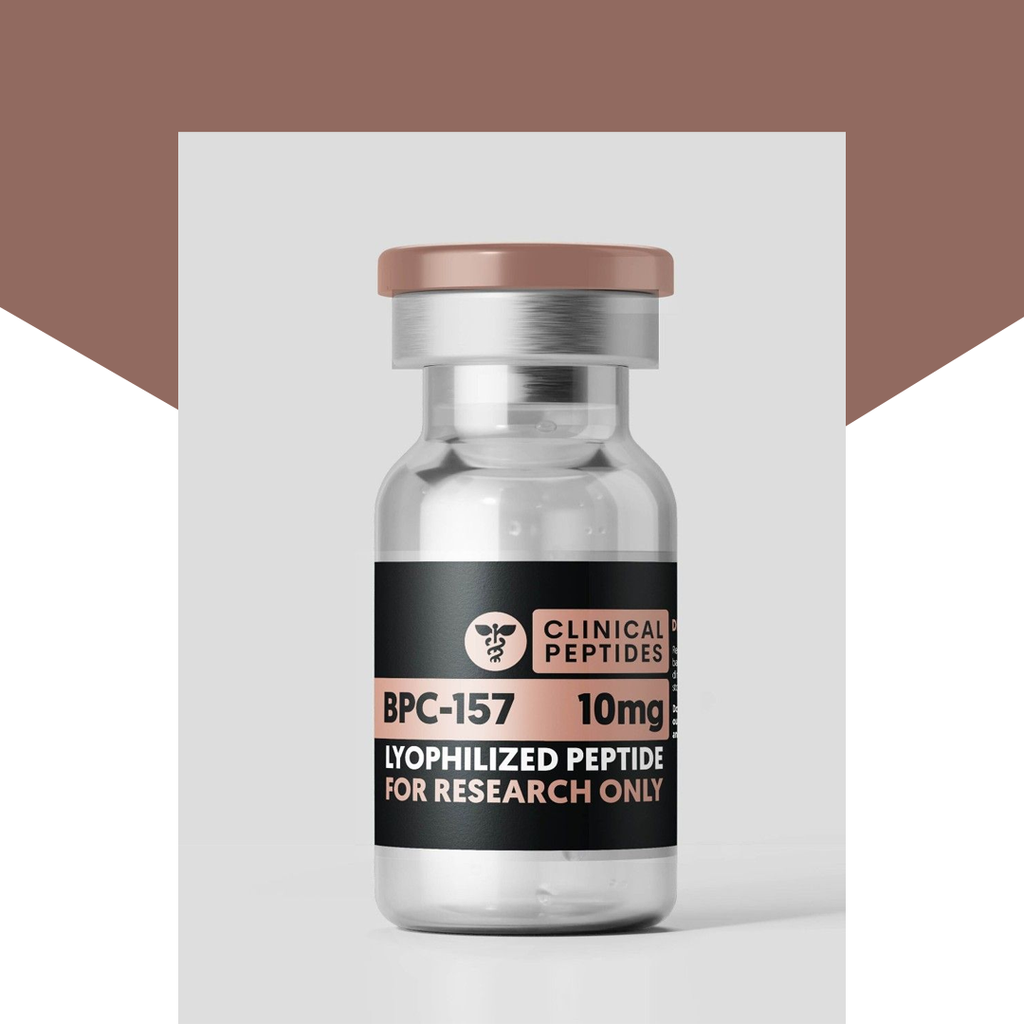
BPC-157
BPC-157 is best-known as a regenerative peptide. It is derived from a protective protein found in gastric juice and is known for supporting:
- Tendon repair
- Ligament recovery
- Muscle healing
- Gastrointestinal tissue repair
- Skin wound healing
TB-500 (Thymosin Beta-4 Fragment)
TB-500 is known for cell migration and tissue regeneration. Researchers have found that it supports:
- Muscle recovery
- Soft tissue healing
- Flexibility
- Reduced recovery time
It also helps with new blood vessel cell formation.
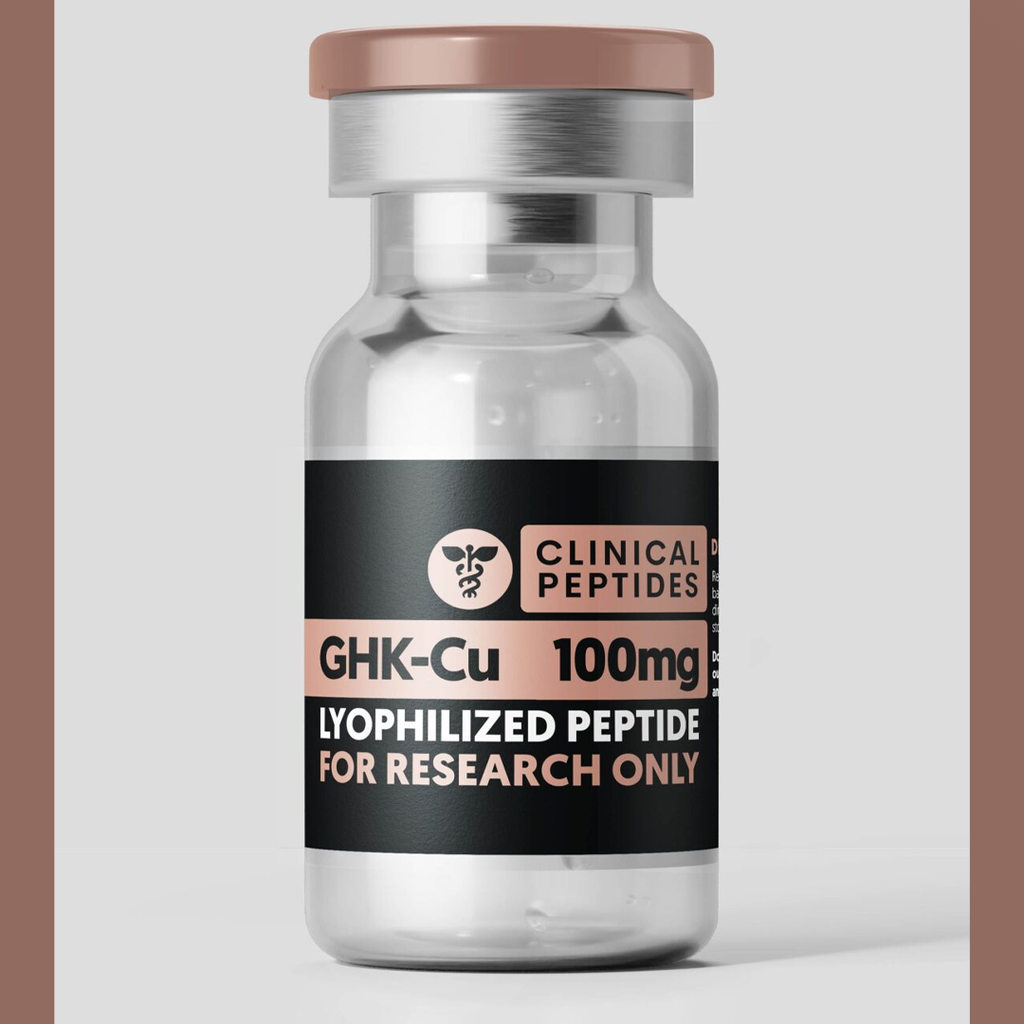
GHK-Cu
GHK-Cu is a naturally occurring peptide that is found in plasma, saliva, and urine. It helps to:
- Stimulate collagen
- Improve skin regeneration
- Support wound closure
- Enhance tissue remodelling
It has become popular in skincare research because of its regenerative properties.
Peptides for Healing Injuries Beyond Skin Wounds
Healing isn’t limited to burns and cuts. Peptides for healing injuries help to repair muscles, ligaments, and connective tissues. These injuries recover slowly because they receive a limited blood supply. Some peptide therapies are still being investigated to determine if they support tissue remodelling and improve recovery environments in these difficult-to-heal areas.
Peptides for Injury Recovery in Athletes
Athletes often place an enormous amount of stress on their muscles, joints, and connective tissues. They also get injured often, which requires quick healing. This has led to growing interest in peptides for injury recovery following training-related damage. Peptides for injury recovery support:
- Muscle regeneration
- Tendon repair
- Ligament recovery
- Reduced downtime
- Improved tissue resilience
However, if you are an athlete, you should remember that some peptides are prohibited in competitive sports, which depends on governing body regulations. Always check applicable anti-doping rules before considering any peptide because it may lead to a serious situation.
Peptides for Injuries: What Does the Research Say?
As interest in peptides continues to grow because of findings and animal studies, research has observed some benefits like:
- Faster tissue regeneration
- Improved collagen organization
- Better tendon strength
- Reduced inflammation
- Improved wound healing
At the same time, researchers also emphasize that many peptides still require human clinical trials before making any firm conclusions. Current evidence is promising but still evolving.
Supporting Natural Healing Beyond Peptides
Even if peptides are prescribed by healthcare professionals and you take them according to the treatment plan, you should know that recovery still depends on healthy routine habits. Your body heals when you are:
- Eating enough protein
- Staying hydrated
- Getting quality sleep
- Managing blood sugar levels
- Avoiding smoking
- Following appropriate rehabilitation exercises
- Keeping wounds clean and protected
If you follow these fundamentals properly, this will help you heal faster.
Final Thoughts
Your body has the ability to repair itself, and it’s one of the most remarkable strengths. Peptides are an exciting area of research that supports this natural process. By supporting cell signalling, collagen production, inflammation, and tissue regeneration, peptides for healing help to enhance wound repair and recovery.
Whether you are exploring best peptides for healing or just curious about how peptides for injuries fit into future regenerative medicine, it’s important to separate emerging science from established medical practice. If you are buying peptides for injury recovery, choosing a trusted source is important. Clinical Peptides is committed to providing high-quality peptides that meet strict quality standards, allowing researchers to work with confidence.
As the research continues, peptides remain promising frontiers in modern regenerative science, providing various possibilities for future tissue repair and recovery.